
 English
 Español
 中文简体
中文简体

Address: No. 199, Weiwu Road, Yueqing Economic Development Zone, Zhejiang Province, China.
Choosing a plug and socket sounds simple—until you're dealing with outdoor power, wet locations, high-load equipment, or a mix of appliances that “almost fit” but really shouldn't. The right combination isn't just about matching shapes; it's about safety, compatibility, environment, and long-term reliability.
Understand Your Use Case First (Home vs. Light Commercial vs. Industrial)
Before looking at specs, define how the connection will be used.
- Occasional indoor use (typical appliances): usually prioritizes convenience and basic safety certifications.
- Frequent plug/unplug cycles (shops, garages, events): needs better mechanical durability and strain relief.
- Harsh environments (outdoors, washdown areas, dust, chemical exposure): requires environmental sealing and materials suited to the site.
- Critical uptime (IT rooms, process equipment, pumps, HVAC): benefits from locking styles, interlocks, and clearer segregation of voltages/phases.
This step prevents the most common mistake: buying a "household-looking" connector for a location that behaves like an industrial site.
Match the Electrical System: Voltage, Phase, and Frequency
A plug and socket must match the power system, not just the appliance.
Voltage class
Typical ranges you'll see:
- 110–125V (common in North America)
- 220–240V (common in Europe and many other regions)
- Higher-voltage industrial circuits (varies by site)
Even when two systems look similar, mixing them is risky and often non-compliant.
Single-phase vs. three-phase
- Single-phase is common for household appliances and many small machines.
- Three-phase is common for motors, compressors, pumps, heavy heaters, and industrial tools.
A three-phase plug configuration physically prevents accidental connection to single-phase outlets in many standards—this is intentional safety-by-design.
Frequency (50/60 Hz)
Most modern power supplies tolerate both, but motors, compressors, and timing-sensitive equipment may not. The connector selection itself won't change frequency, but it's a sign you're sourcing for the right regional system.
Choose the Right Pin Configuration and Earthing Method
When comparing plugs and sockets, look for:
- Number of poles (pins): e.g., 2P, 2P+E, 3P+E, 3P+N+E
- Earthing/grounding design: protective earth is non-negotiable for most appliances with metal housings and for many site regulations.
Neutral requirements
Some loads require a neutral. Others don't. Picking a connector without the correct conductors leads to improvised wiring—exactly what inspections (and insurance investigators) love to hate.
Select Protection for the Environment (IP Rating, Materials, Sealing)
This is where "works on a bench" turns into "works on a jobsite."
IP rating (Ingress Protection)
- IP44: splash-resistant (typical for light outdoor/utility use)
- IP65/IP66: dust-tight and strong water-jet protection (common for industrial/outdoor applications)
If your socket could see rain, washdown, dust, or airborne debris, treat IP rating as a primary selection factor.
Materials and corrosion resistance
- UV exposure can degrade plastics over time.
- Salt air (coastal, ports) accelerates corrosion.
- Chemicals and oils can attack seals and housings.
Choose housings and gaskets designed for the site conditions, not just the electrical load.
Decide Whether You Need Locking or Interlocked Connections
Many failures come from "accidental disconnects" or "disconnect under load." If those sound familiar, consider these options:
Locking plugs/sockets
A locking design helps prevent:
- vibration-induced loosening
- unintended unplugging
- partial insertion that causes heating/arcing
Mechanical interlock switch sockets
A mechanical interlock socket typically ensures:
- you can't plug/unplug unless the switch is OFF
- the system is less likely to be disconnected under load
- maintenance procedures become more consistent
This style is common where safety procedures, uptime, and repeatable operation matter more than quick convenience.
Consider Installation Details: Cable Entry, Strain Relief, and Mounting
For real-world reliability, the "small" mechanical details matter.
- Strain relief: prevents cable pull from stressing terminals (especially on portable equipment).
- Cable gland compatibility: correct range and seal for your cable OD; better sealing = longer service life.
- Mounting style: panel mount, surface mount, inline connectors, or recessed outlets depending on the enclosure and access needs.
- Termination type: screw clamp vs. spring clamp vs. crimp lugs—choose based on service practices and vibration.
A great connector poorly installed behaves like a cheap one.
Look for Compliance and Market-Appropriate Standards
For SEO and procurement reality, buyers in the US/EU often search by standards and approvals.
- IEC / EN standards are common for industrial plugs and sockets globally.
- UL / CSA are common for North American compliance.
- CE marking is widely expected for products sold in the EU (as part of conformity requirements).
When sourcing, confirm that the specific model (not just the product family) matches the compliance your project requires.
Practical Selection Examples (Quick Decision Shortcuts)
Here are a few common "if this, then that" pairings:
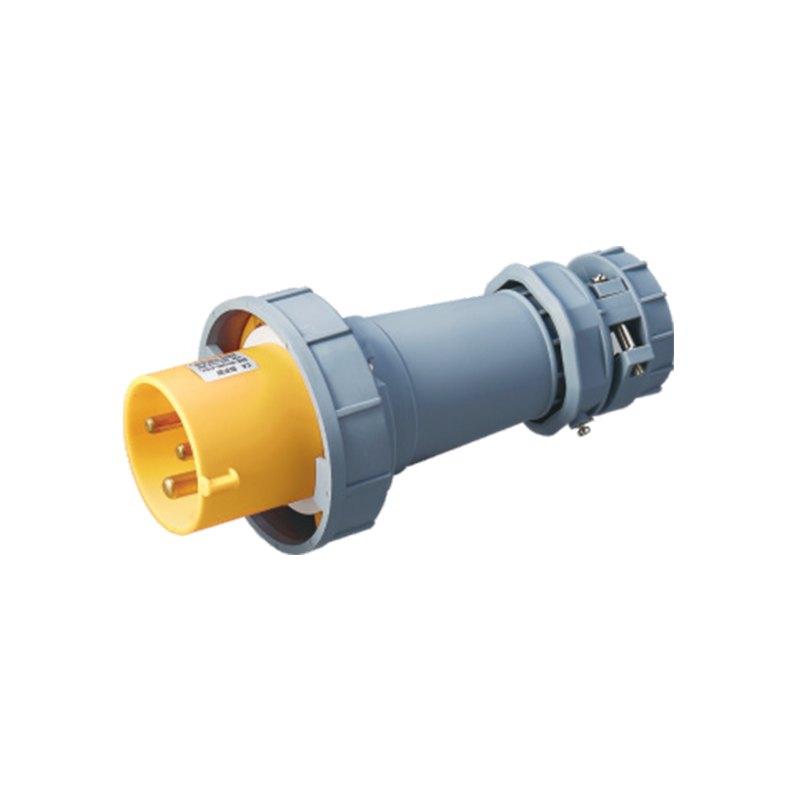
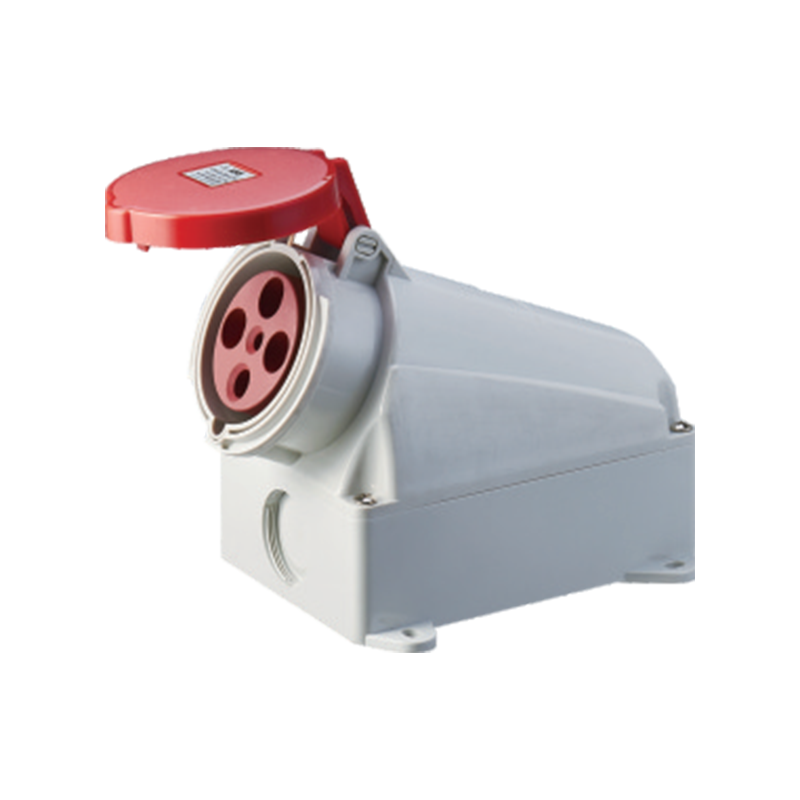
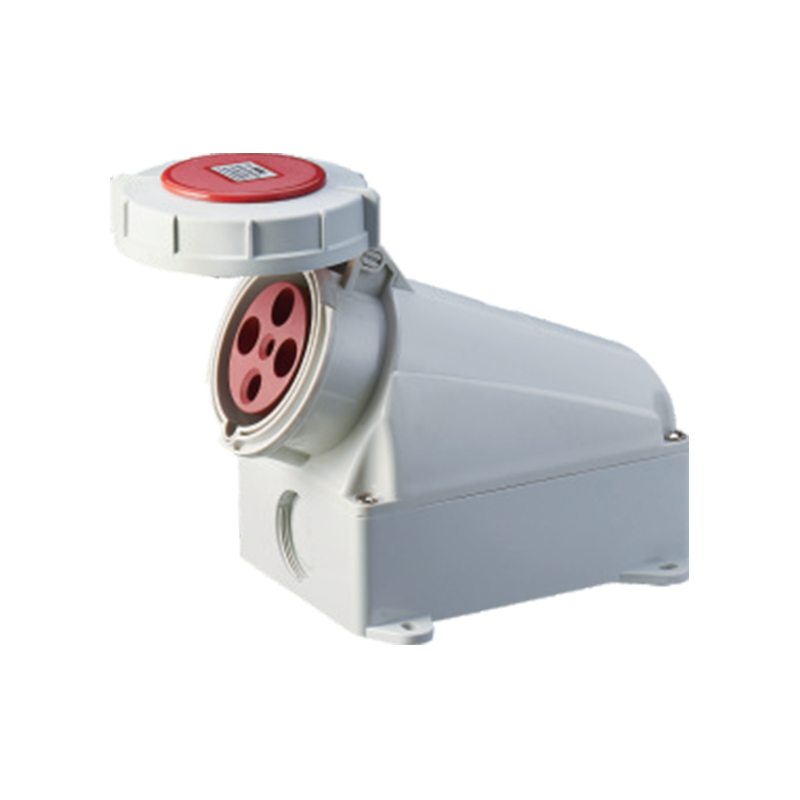
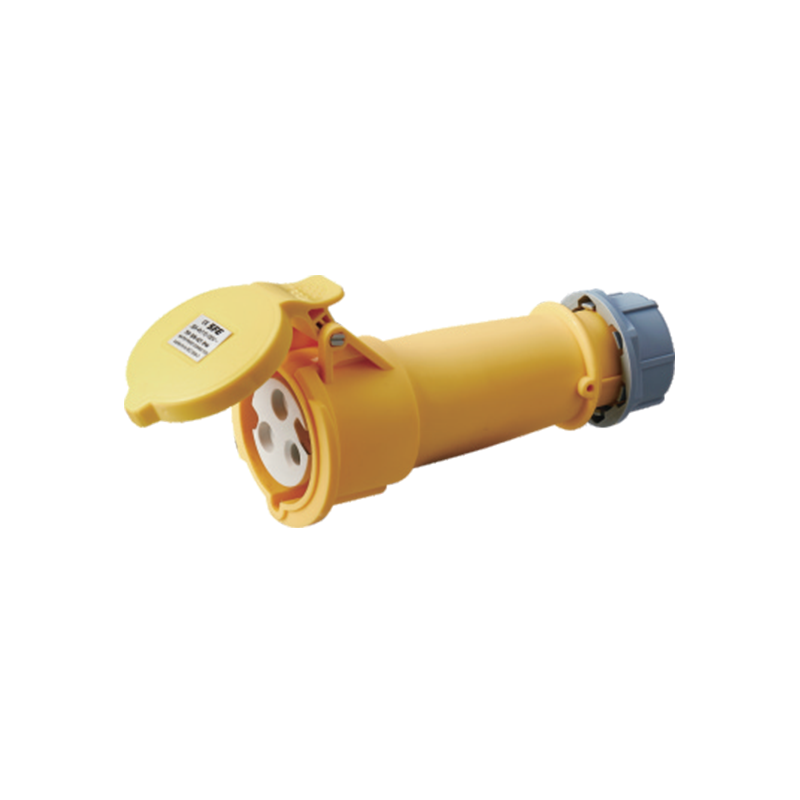
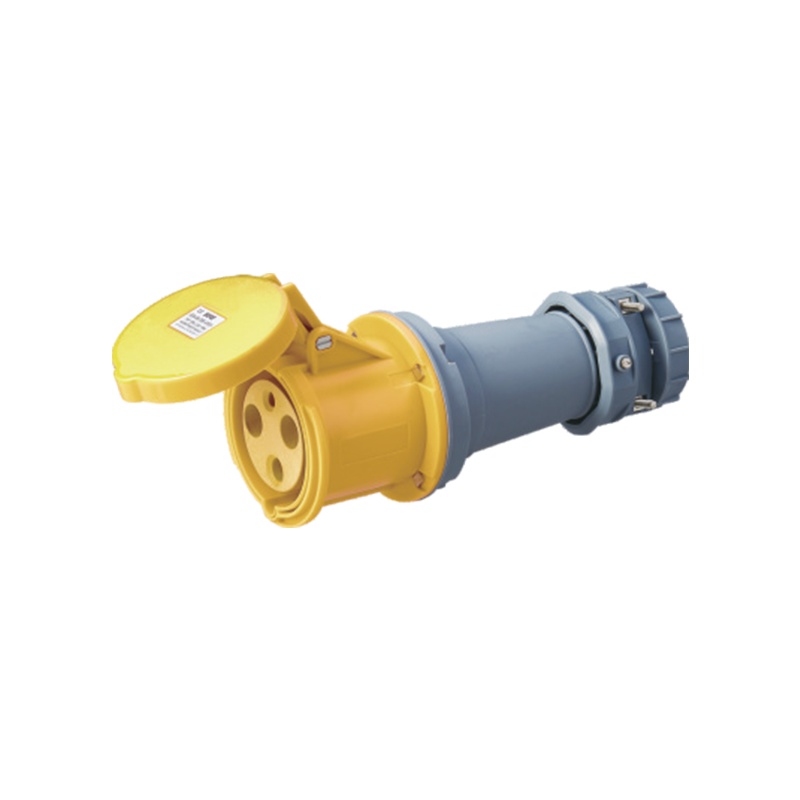
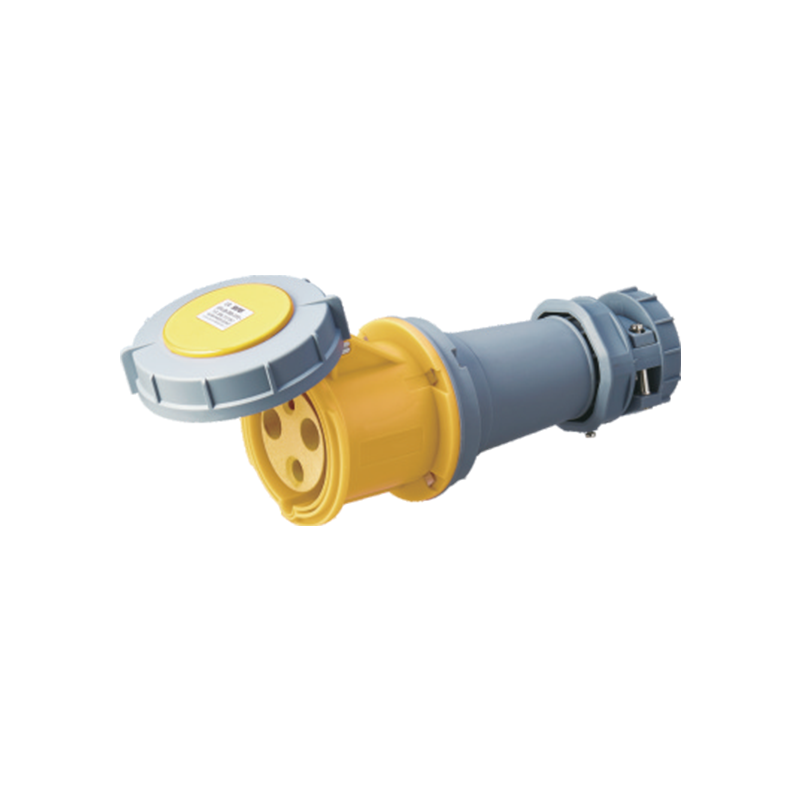
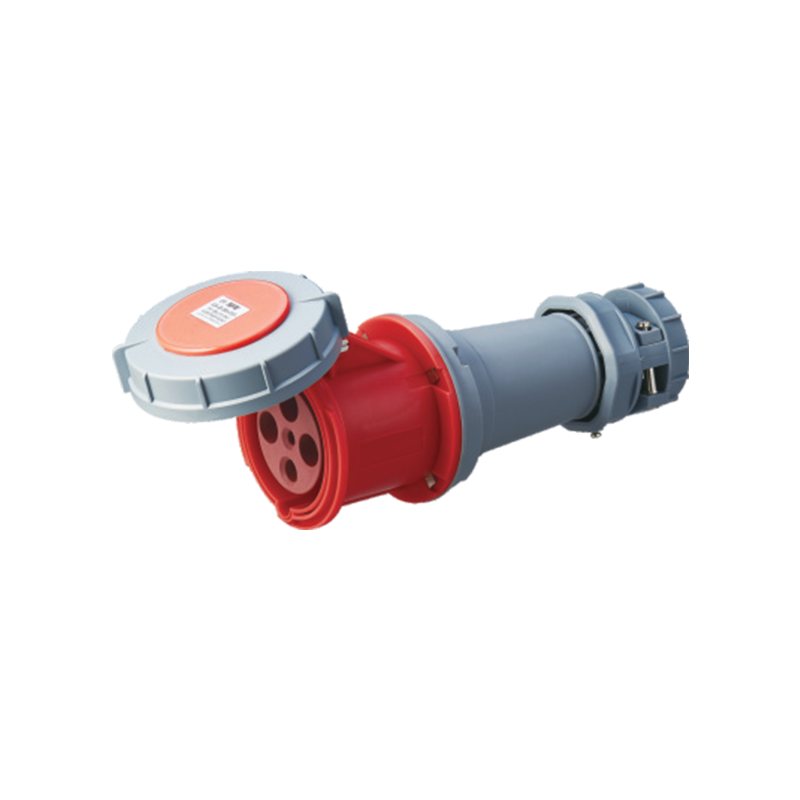
- Outdoor tools / temporary site power: weatherproof socket + matching plug, higher IP rating, strong strain relief
- Pumps / compressors / motors: industrial connector with robust pins, correct poles, and locking or interlock if frequent cycling
- Portable distribution (events, maintenance, workshops): durable plug/socket system + clear labeling and segregation by voltage/phase
- Wet areas / washdown: IP65/IP66 enclosure, quality seals, corrosion-resistant hardware
These patterns mirror how electricians and facility teams typically standardize parts across a site.
Picking a dependable plug and socket is easiest when you judge it through three practical lenses—and it's the same checklist our team uses at WENZHOU SHANGFENG ELECTRIC CO., LTD when we build connectors for everyday and industrial power needs:
Electrical match: the correct voltage and current rating, proper grounding, and the right pin layout so the connection stays stable under real load.
Environmental suitability: protection against water and dust, resistance to heat/cold and chemicals, and materials that hold up outdoors or on harsh sites.
Mechanical reliability: firm contact pressure, robust terminals, effective strain relief, and housings designed to survive repeated plug-in cycles without loosening.
When these three line up, plugs run cooler, sockets last longer, and nuisance faults fade into the background. As a dedicated plug and socket factory, WENZHOU SHANGFENG ELECTRIC CO., LTD supports consistent quality production and customization to match your specifications and market requirements.
